Another six examples from Ablikhos' poetry
John Bjarne Grover
I here add another six translations/interpretations from the poetry of Mikelis Ablikhos to this article. I continue the enumeration of the examples - here as examples 13-18.
One of the reasons for this is example 13 - I tried to translate it by some translation machines available on the web and was surprised by the rawness of the poet's pronounced feelings of contempt and disgust by his fellow beings. I doubted this and translated it 'by hand' and found it to be the very opposite. Such translation machines can conveniently be used for deciphering some oddities - heaps of particles etc - which are cumbersome or impossible to look up in a dictionary, but seem still to be some distance off from the level needed for poetic understanding - in particular if the machine has only one alternative for a word. The GLOSBE greek-english dictionary seems, though, to be of some sophistication and presents a number of alternatives in context, also for combinations of words up to a line or so. It seems to have solved the example 18 below - without it I could not have solved that.
The greek transcription of the source text uses question marks (which is not otherwise used in greek) where others use apostrophes - could be for avoiding ambiguities with accents. I have replaced these question marks with apostrophes here. The translations are not literary but serve the purposes of the present discussion.
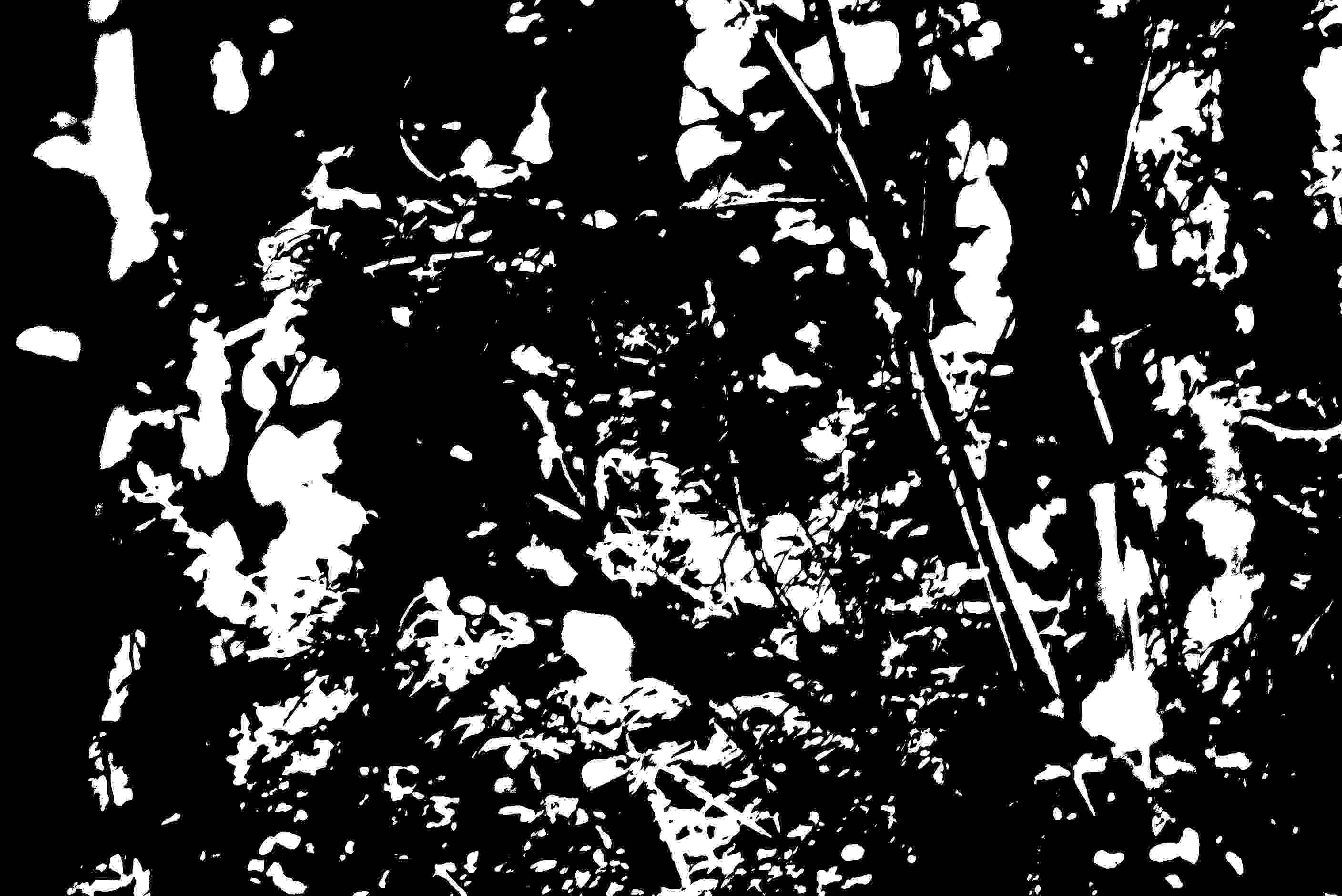
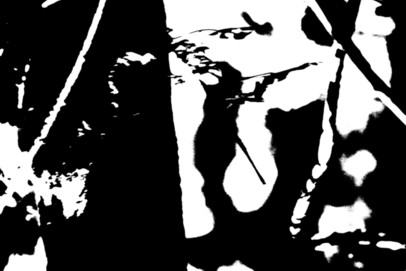
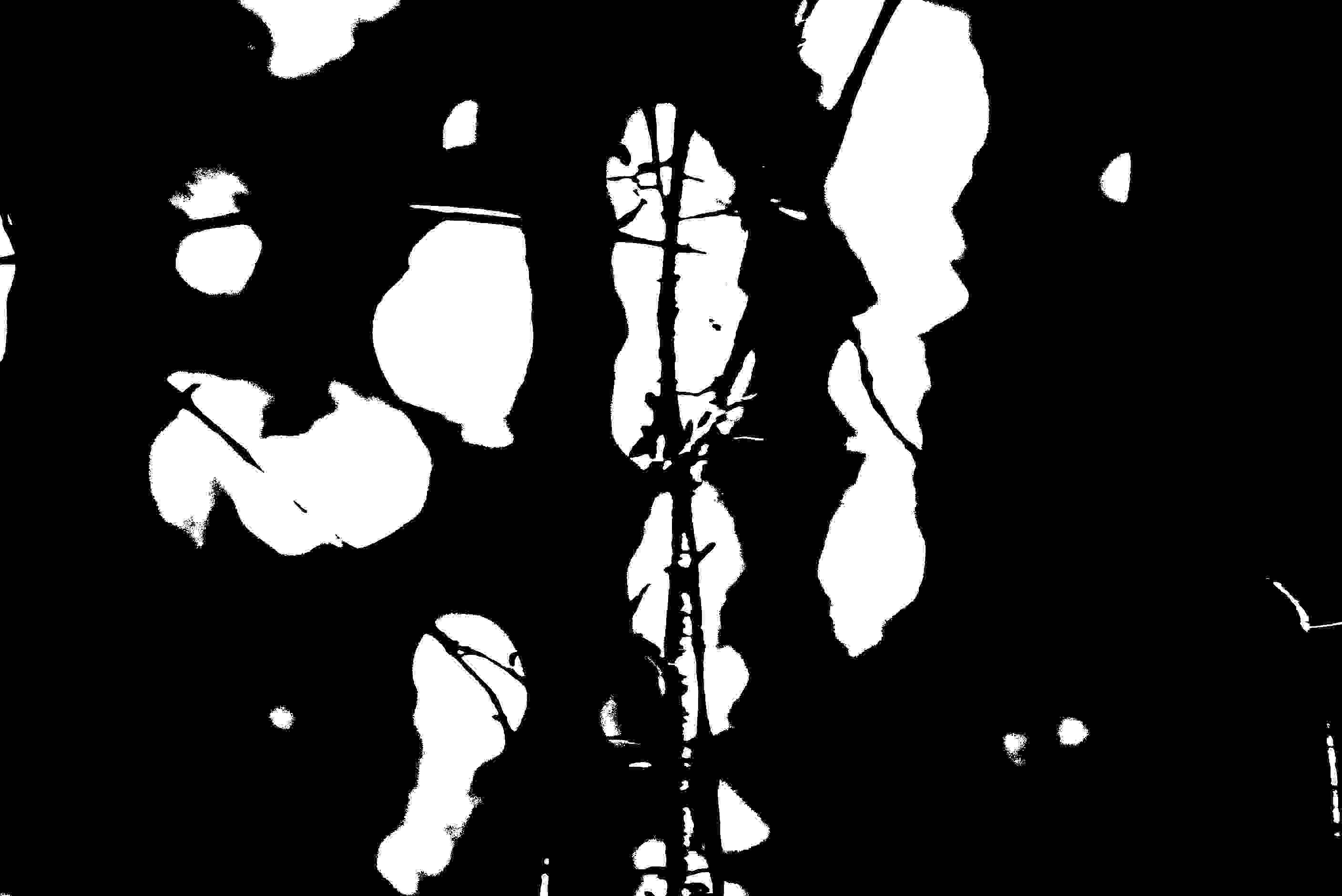
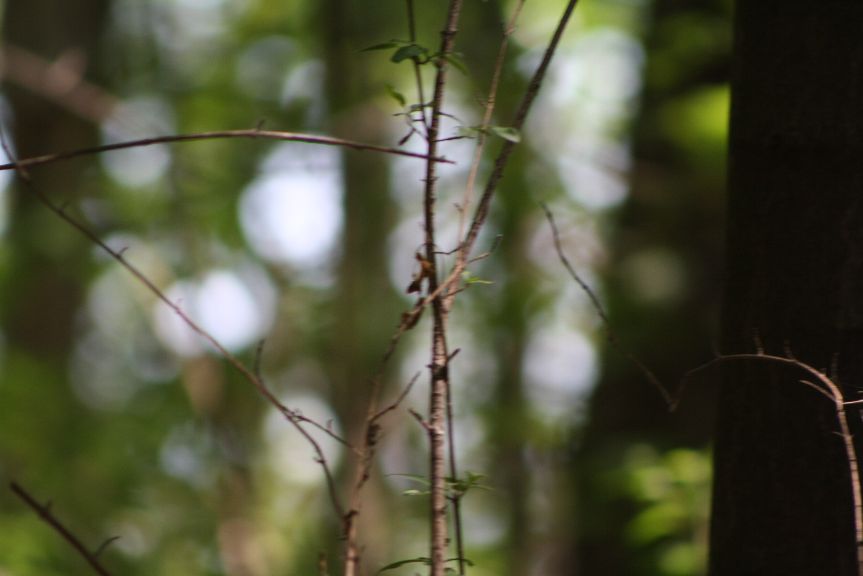
The theory to be discussed here is that Ablikhos' poems relate in a very special way to my 23 thresholded photos from a grove on the Danube Island in 2012.
Example 13
Αηδίας άσμα ασμάτων
Αηδίαν άοιδε, Θεά
Α
Έχω φαρμάκι τόσο στην ψυχή μου
μ' αυτή τη μαύρη, την άχαρη ζωή μου,
που απορώ σταλαματιά γλυκάδα
αν ημπορή στους στίχους μου να στάξη!
κ' ήθελε κάθε τι μια Ιλιάδα
από το νου μου νάβγη να πετάξη
σε τούτα τα χαρτιά.
Κ' εγώ μ' αυτήν την άπειρη αηδία μου
και την πικράδα οπού ακούω στο στόμα
να πάρω να την ρίψω στη φωτιά
για να χορτάση λάμψ' η φαντασία μου
πριν πάω να γίνω μέσ' το χώμα, χώμα!
Β
Κ' εσύ αηδία, έμπνευση μου δίνεις
σε τούτα εδώ τα λόγια που αραδιάζεις,
μαύρη χολή από τους στίχους βγάζεις
βοήθα τη ρίμα κ' έρμο μη μ' αφίνεις.
Τ' άσμα σου ψάλλω εκ βαθέων ψυχής
που εγνώρισα του κόσμου τα σιχάματα
κ' είμαι για τούτο κάπως ευτυχής,
που δεν προσφεύγω σε γελοία κλάμματα.
Και πού να στρέψω δίχως εμπροστά μου
εσύ να μη φανής, Θεά αηδία!
εσύ πώχεις γεμάτη την καρδιά μου;
The song of the great nausea
(cp. the first line of the Iliad)
A
My entire soul is brimming over
with the dismal dark of my life,
surprised by the sweet-smacking saliva
capable of infusing itself into my verse.
And it wanted it all, the first line of the Iliad,
from my mind and its silken-sail ship,
from this paper of mine.
And I, with infinite nausea
and the bitter words that I heard from my mouth,
wanted the transfiguration to light,
the light-saturation of my fantasies
before I re-member the ground, the ground!
B
And you, Nausea, are my inspiration,
in the way of the words you array -
dark bile after words that you have rearranged,
rhymes referenced when re-allowed.
And your song I praise from the depth of my heart
where I recognize cosmos s[t]igmatic
and with this I am a somewhat happy man
who do not resort to ridiculous sentiments.
And what should I do without, before me,
your invisibleness, Goddess Nausea?
You are filling it up - my old heart.
The poet praises the goddess Nausea who occurs when the poet has changed the order of two words - such as in the first line of the Iliad, the first three words - in the Iliad these are "Μηνιν αειδε, θεα" = "the wrath [of Akhilleus] sing (about), goddess" which in the undertitle to this poem are changed into "Αηδίαν άοιδε, Θεά" - which lends to the story the element of having interchanged the first and the second word - and the idea follows that this is what the entire Iliad is about.
The Iliad is mythological reality - here assumed to be what the shadow theatre of colour images thresholded to black-and-white constitute - a sort of shadow cinema dancing on Plato's cave wall.
Which of my 23 photos is this poem? Could be photo #3 upside down - hence the nausea. It follows immediately after the order of the two first photos have been changed. The two 'birds' shot out from the gun of the shooter are one black and one white and their order is probably the story. There is a 'dark bile' which is white in the lefthand part. The last line tells clearly of the big breast in front of the 'existential' shooter who has his attention directed towards what could be the beauty of Helen in Troy.
The first stanza tells that the black and the white even enters into the composition of the poem - which is when it invokes mythological reality - in what Husserl calls the 'bracketed' world by way of Kant's 12 categories. By adjusting the value of one or more categories, the silhouetted form will change potentially quite radically and the 'story' told thereby - the story which the image enters into - will also have to change more or less radically. This is the reason why the human mind needs a little time to consider the alternatives and the strategies for categorial value setting - and that is why the world must be temporarily 'bracketed' in this act of 'epoché'.
This temporary postponement for the purpose of categorial value setting could be the theme of example 17 below. Does Kant's 12 categories apply to my TEQ? In both the first and the last quarter of the 16 books, there were initially 3 books before these expanded to 4. This seemed to be quite essential. I therefore try to align Kant's 12 categories with my TEQ on this scheme - 3 categories for each of the 4 quarters. The categories are given in Kant's 'Kritik der reinen Vernunft', erster Teil §10 - here Kant 2022 page 161:
| The book titles of my TEQ | Kant's 12 categories |
| Part 1: The Endmorgan Quartet | 1. Der Quantität |
| 1. Hammerfest | Einheit |
| 2. The slades with the only turn | Vielheit |
| 3. Cat-Rufus' earth | Allheit |
|
4. Cardiff/Harding | |
| Part 2: Birds to Saladin | 2. Der Qualität |
| 5. Yes, there is no need for any such attraction | |
| 6. Orphan and the angels | Realität |
| 7. A sister of Toukhraud | Negation |
|
8. Diplomadary and descendature | Limitation |
| Part 3: A saga Hume | 3. Der Relation |
| 9. ...to be an emperor... | |
| 10. A deep ratch | der Inhärenz und Subsistenz |
| 11. Winter Princess | der Kausalität und Dependenz |
|
12. Lead lushions in a bowl | der Gemeinschaft |
| Part 4: Wine 2* | 4. Der Modalität |
| 13. Has the next millenium praxis? | Möglichkeit - Unmöglichkeit |
| 14. If you're going to København | Dasein - Nichtsein |
| 15. Gentlemen | Notwendigkeit - Zufälligkeit |
| 16. I tell you, Estunates | |
Example 14
Ανεπίγραφο επίγραμμα
Έμπα και συ να μη σε ονομάσω
στης αηδίας μου το τραγούδι,
που ήθελα την καρδιά μου να ξεράσω
στον τάφο σου για νεκρικό λουλούδι.
Unepigrammatic epigram
Come join the relief of un-naming
in the tragedy/singing of the song/disgust
where I want my heart to come up
in/on your tomb for the dead/funeral (?) flowers.
Could be 'disgust' is entirely misapplied here - and that 'historic discontinuity' - such as when the reality of birds interact with the reality of humans - is a more appropriate framework of understanding.
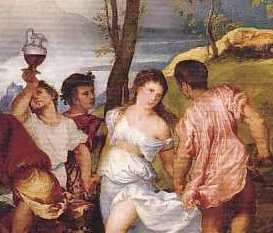
This is photo #12 based on the central characters in Tizian's 'Bacchanal' - one line per person from left to right:
Come join the relief of un-naming
= he doesnt call it anything
in the tragedy/singing of the song/disgust
= the one who sees with surprise what is going on
where I want my heart to come up
= the female with attention to the fourth
in/on your tomb for the dead/funeral(?) flowers
= temporarily mixes up with the female
The 'indecision' derives from the fundamental theorem of logic whereby equiprobability is regained only by assigning meaning to the constituents: That can be called 'naming' of referents. It is for regaining balance of equiprobability in this way that the persons behind the characters are gliding around from the one to the other. That is to cross the street.
This series of (possibly ex nihilo) 'knocks' can be seen to exhibit equiprobability through the first 8 beats but adds 'semantics' to the last two. I recorded these knocks on 20 january 2020 at 11:00 o'clock.
In the man-on-wagon scenario, it is the second person from the left who lifts a finger for attracting attention, but it is essential that the scenario is seen not only coming downwards on the other side of the street but also coming upwards on this side of the street - which is the crossing of the street.
As usual, it is important to understand that such mythological roles are not listed here as suggestions for allotment of roles for organizing intrigue but rather as a way of understanding the working of own thought and understanding of the world.
It is seen that the four lines of Ablikhos' poem correspond well also to the four quarters of my TEQ aligned with Kant's 12 categories.
In Kant's 'Zweites Buch' - 'Die Analytik der Grundsätze' - in the 'Dritter Abschnitt' - we find (Kant 2022 page 247):
Die Tafel der Kategorien gibt uns die ganz natürliche Anweisung zur Tafel der Grundsätze, weil diese doch nichts anders, als Regeln des objektiven Gebrauchs der ersteren sind. Alle Grundsätze des reinen Verstandes sind demnach
1. Axiomen der Anschauung
2. Antizipationen der Wahrnehmung
3. Analogien der Erfahrung
4. Postulate des empirischen Denkens überhaupt
Hence Kant suggests an alignment of these with the four main groups of Kategories - and that same could apply to the four lines of Ablikhos.
It must be realized that the framing of the group of four characters in Tizian's artwork has a very strong inner motivation in the 23 photos:
The fourth character is separated off from the rest of the group by the framing in photo #9 - turned 90 degrees left and negated it is in its lefthand part amazingly similar to the righthand part of Tizian's 'Bacchanal' canvas - here shown in excerpt and with photo 9 in full (90 degrees and B/W negated):



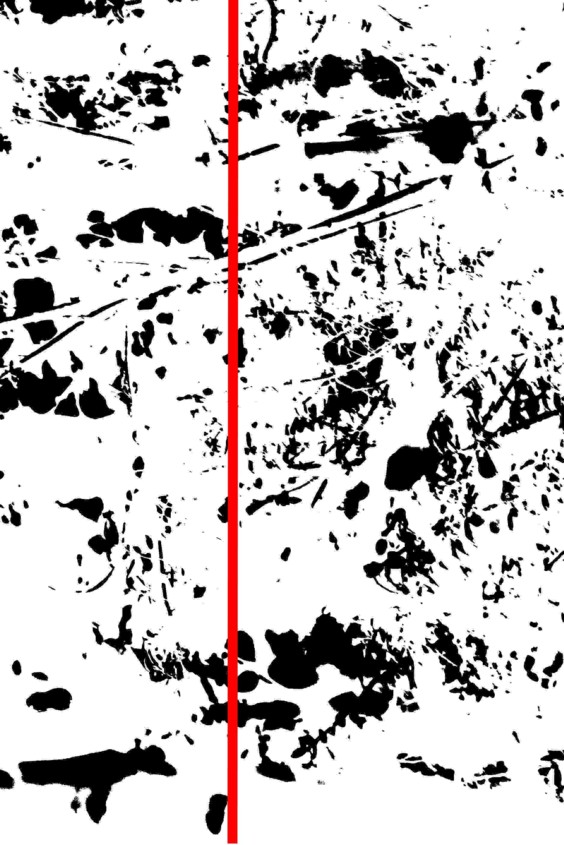
This constitutes the border to the fourth character. The framing of the first character appears from the analysis in this file - search for 'Brejda' and see how the following excerpt from Tizian coincides with my photo #15 - that constitutes a border for the leftmost character:
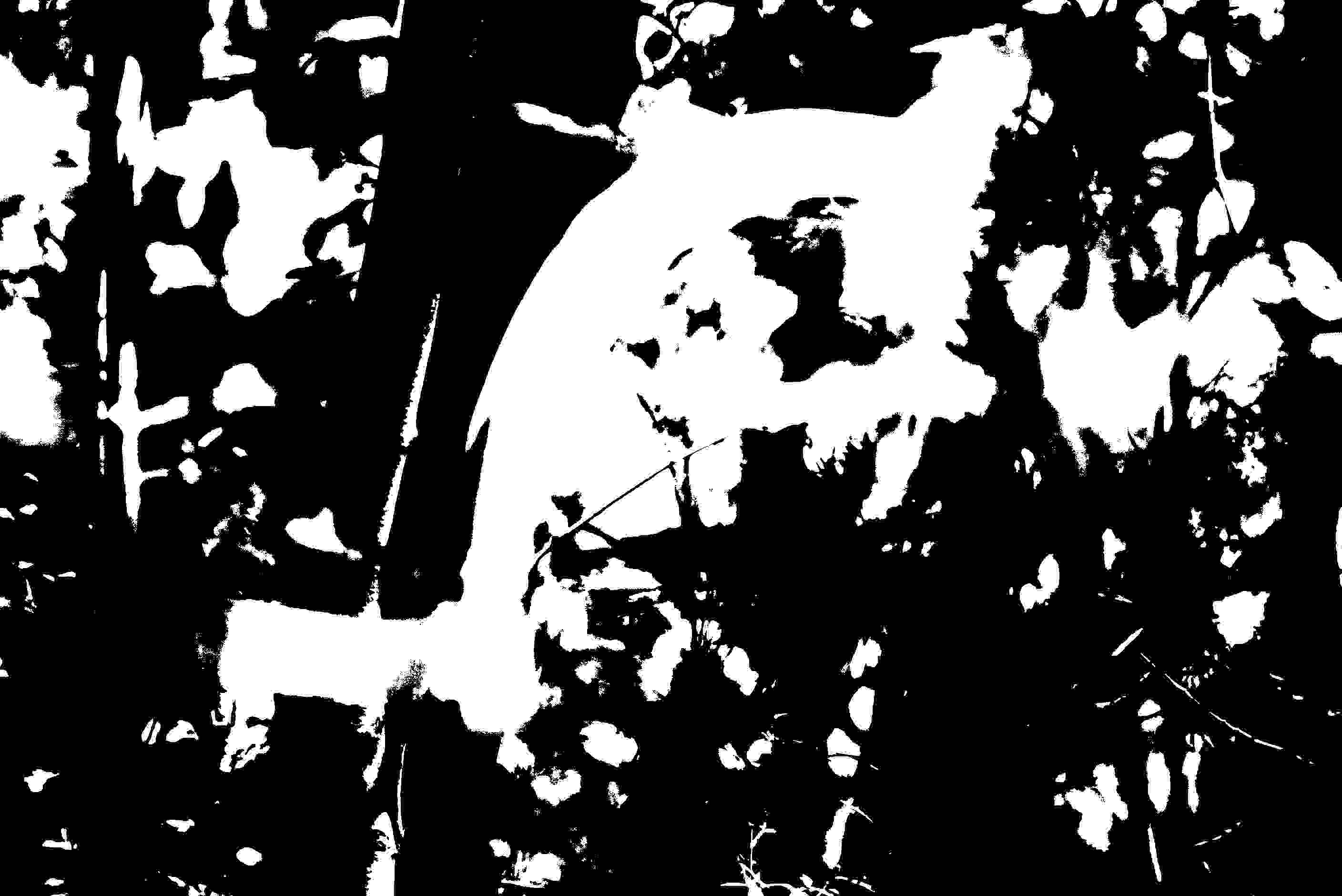

Hence the first and fourth characters are framed with photos 9 and 15 - these are mirror-symmetric around photo #12.
Even Picasso has a comparable Bacchanal ('after Nicolas Poussin'):


Picasso sees it mirrored relative to Tizian. It is seen that the drunk man with the shirttails (or underpants) is under the character 1 who is looking up into something. The woman seems to be distributed over two.
Finally, there is a man in black jacket and white collar to the left also in the normal version of photo #9 - could be the same as the 90 degrees negated version of the same photo:
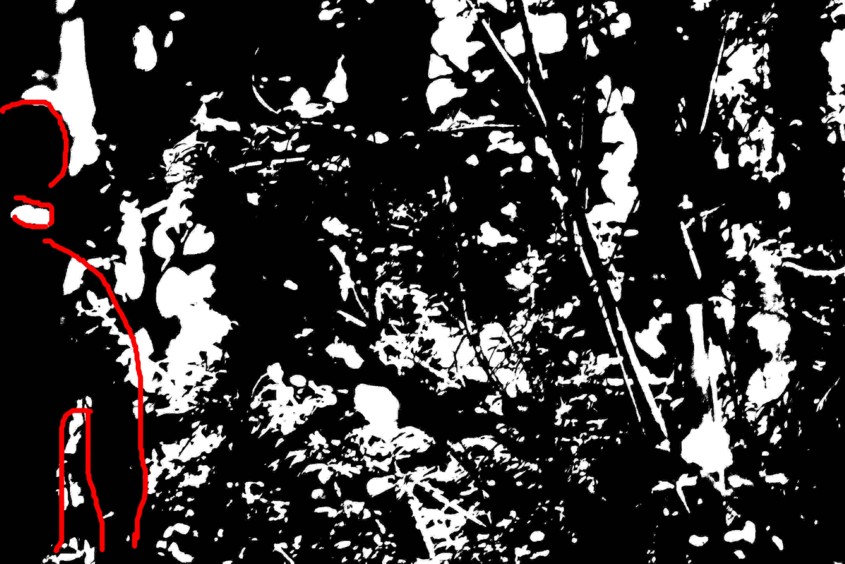
This seems to be the scene of the following example.
Example 15
Η Βασίλισσά μου
Μικρούτσικο σπιτάκι χαμηλό
είν' της βασίλισσάς μου το παλάτι
και εκεί μέσα σα γιούλιο ντροπαλό
κρυμμένη 'ναι απ' το βλέμμα του διαβάτη.
Κι' εγώ διαβαίνω εκείθε και δειλά
με τον κρυφό καϋμό μου το κυττάζω
κι' αθέλητα, απ' αγάπη σιγαλά
μέσα από την καρδιά μου αναστενάζω.
Και καμαρώνω το βασιλικό
οπού το παρεθύρι της στολίζει•
καλότυχο μυρούδι φτωχικό
που το χρυσό της χέρι σε ποτίζει.
Κι' όταν στο χτυπολόημα τ' αργαλειού
και το γλυκό κελάδημα γροικιέται
του πολυαγαπημένου μου πουλιού,
κάθε καϋμός αφ' την καρδιά μου σβυέται.
Και του παρεθυριού της τ' αχνό φως
τα βράδυα ν' αγναντεύω δε χορταίνω•
άστρο για εμέ δεν έχει ο ουρανός
τόσο γλυκό και τόσο αγαπημένο.
Και λέω: «Καλή σου ώρα» εσέ φτωχή,
που, αν έχουν μετρημούς οι κόκκοι του άμμου,
έχει κι' ο πλούτος που έχεις στην ψυχή
«Ώρα καλή σου», εσέ Βασίλισσά μου.
My queen
The house is small and it is low,
it is the palace of my queen,
and there, in its shy violet,
cold it is from passers-by looks
and I pass by at each nightfall
and look into the hidden yearning
that unintentionally, by gentle love,
sighs in the middle of my heart.
And the royal takes on its pride
at the window of the ornamental,
fortunate and humble is the scent
where the gold puts its hand into water.
And whenever you knock on the loom
and the sweet birdsong is grinding,
those beloved birds of mine,
every sorrow of my heart goes out.
And with the steaming light of summer vacation
every evening I fill my gaze.
The heaven has no star for me
so sweet and so beloved.
And I say: Your time is good, you are humble,
when - if you count the grains of sand -
there are the riches that you multiply in mind.
Your time is good - you, my queen.
which seems to be the passer-by in black jacket and white collar in the lefthand margin of photo #9. Interesting it is to observe how this character seems to emerge from two forms of photo 9: The ordinary one and the one negated (black/white) and turned 90 degrees - in both of them as a marginal character to the left. (Is this even the background of ideas or speculations about Ablikhos' political views?) If one compares with Kant's 12 categories in search of which 'parametres' will have to be adjusted for tuning or focussing in on this character in a philosophical 'epoché', as goes the philosophical jargon, it is seen from the list that e.g. 'negation' (for my book 7) and 'limitation' (for my book 8) could apply. These would sort under the 'Grundsätze' of Kant called 'Antizipationen der Wahrnehmung'. Isnt that just what this 'Η Βασίλισσά μου' is about? See also e.g. my TEQ book 5 poem 17 and poem 33 (in this linebreak version of book 5) - for the idea of a turning 90 degrees (just speculative here, without any further assessment) - the Rilke parallels could follow this logic somewhat. It seems that Ablikhos has this very advanced poetics - which, as he could share with Holm - looks unsensationally low-in-landscape on the surface. It is time that power interests realize this and start pulling out of the poetic 'territories' they could have occupied for some time.
Interestingly, TEQ #352 'HOEL' contains the expression 'my queen full'. Adding to this #352 one quarter of the entire TEQ, that is 352 + 1719/4 = TEQ #782 'Now, hotel' - and, indeed, there is that 'T' mentioned in TEQ book 5 poem 33 in the linebreak version. Could be this is something, could be not.
The three 'whiteness' poems
The following three poems of Ablikhos which I discuss here are all concerned with the 'λεύκωμα' = 'whiteness' - here believed to be due to the thresholding - and can e.g. be seen to constitute the three first categories - on qualities - of Kant: The faith-cliff-originating sculptures of Knock 1879, the looking-up into the falling cliff of Beachy Head, and the axiomatic totality contained in the 'withheld' judgements of consciousness. (Could be these subsequently can be expanded to the categories of the other three main groups as well).
Example 16
Εις λεύκωμα
Εσύ ανεβαίνεις της ζωής τη σκάλα
χοροπηδώντας σαν το κατσικάκι
κι' όλα τα βλέπεις γύρω μέλι γάλα,
κι' όμως ο κόσμος έχει και φαρμάκι.
Βάνε κι' αυτό στο νου σου μέσα στ' άλλα
κι' άκου κι' εμέ που τώρα γεροντάκι
πάω να γίνω και σου λέω κύττα,
κύττα καλά, το νου σου Μαργαρίτα!
δεν είναι κάθε πράμα τηγανίτα.
In the whiteness
You go up the stairs of life
and jump up and down like a kid (young goat)
and all around see milk and honey
and yet the world is bitterly cold / like a pill.
Go and keep in your mind among the others
and, listen, I am an old man now
and I go and tell you the nucleus / the cell formation
the good truth/cell/focus, your mind is a daisy
without being a piece of pancake.
The poem tells of what is 'in the whiteness' and although there could be several candidates for this in the black-and-white photos, the most obvious is likely to be photo #2 - the cancan dancer jumping up and down like the lamb or kid with its knees at Rome (in the map of Europe which this photo can be seen to constitute):
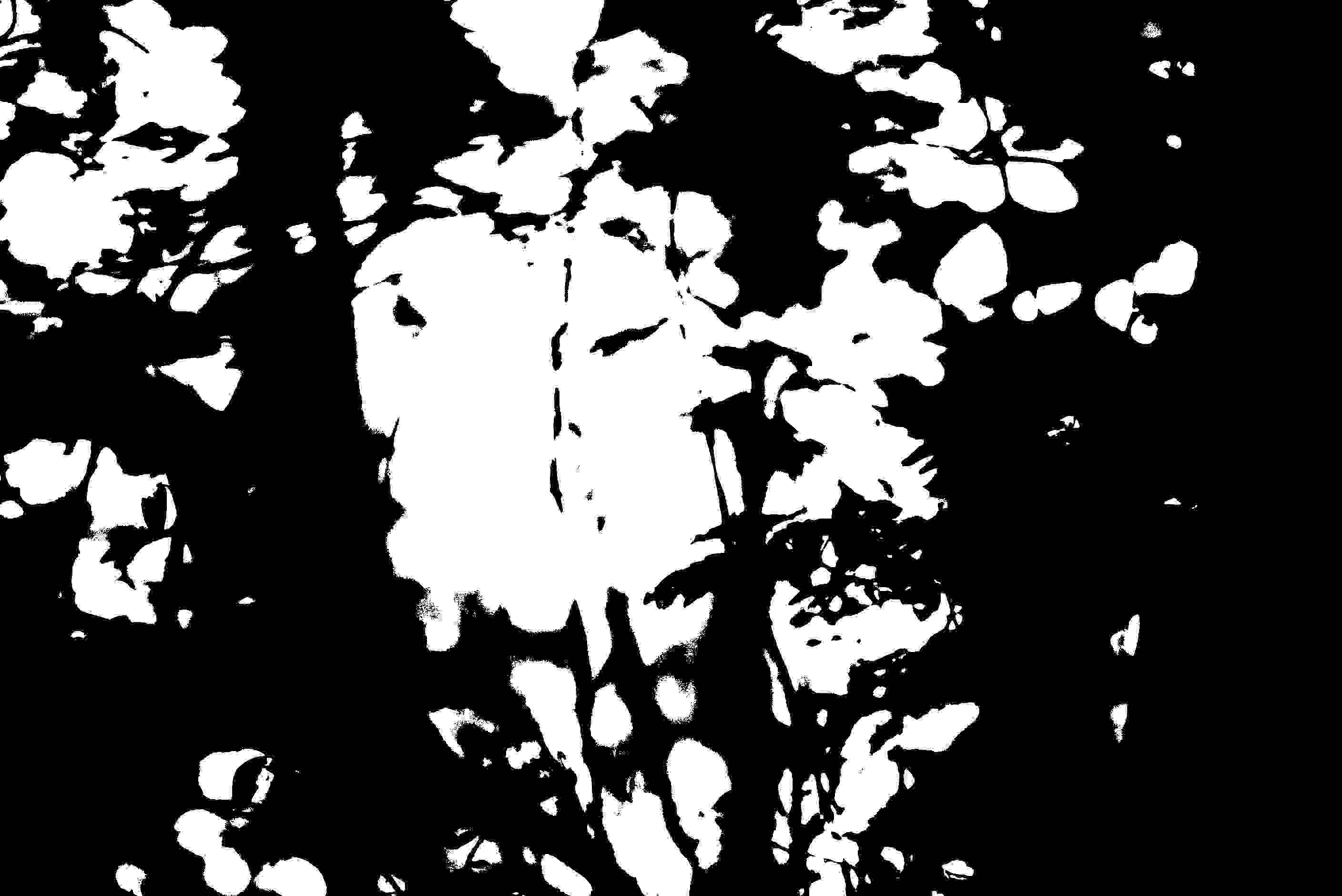
The mind is like a daisy - that is either the cancan dancer or the lamb itself.
'Listen, I am an old man now' - could be Josef of Knock - who 'dives into it' like the cliff of Beachy Head up left. He comes and tells the 'cell' (= 'truth'? 'nucleus'? 'thresholding' or even 'focus'?)
|
In the whiteness You go up the stairs of life and jump up and down like a kid (young goat) and all around see milk and honey and yet the world is bitterly cold / like a pill. Go and keep in your mind among the others and, listen, I am an old man now and I go and tell you the nucleus / the cell formation the good truth/cell, your mind is a daisy without being a piece of pancake. |
the material body of the Lamb on the altar the surrounding angels the cross Josef John with book Mary with parentheses |
Josef is seen in the posture of praying - a word which in greek can be ικετευω - (to supplicate, beseech) - although the more common for religious prayer probably is προσευχω - it is seen how this ικετευω mirrors (spells backwards) the end word of the relevant line
γεροντάκι <--> ικάτνο-ρεγ = ικετευω-ρεγ
κι' άκου κι' εμέ που τώρα γερ
ρεγ arotuop eme ik uoka ik
The evangelist John holds a book in his hand, which is that mirrored window form discussed for photo #2 under example 3 of this article, and two fingers up in the air: 'Finger' can be 'δακτυλος' which likewise reads mirroring from the end of the following line
λέω κύττα <--> δακτυλο / τακτυ λέω
πάω να γίνω και σου
The second part of this tells backwards
uos iak onig an oap = you see jacko niger noap
Would this 'noap' be the white collar of the marginal man in the previous example? 'Collar' in greek can be πιανω απ' το λαιμο = 'catch' at the throat/neck - and this 'catch' = πιανω is sufficiently similar to the un-reversed 'πάων' to allow for recognition as 'the quasi same'. Hence one could speculate if black = backwards and white = forwards.
John lifts one or two fingers - like the boy in the man-on-wagon scenario, probably #2 in the photo #12 and Tizian complex - and one could speculate if this is the '8' that steps in between 1 and 2 in the number '1823'.
In the following line is seen the 'parenthesis' = παρενθεση of Mary - as she is showing them in her posture:
Μαργαρίτα <--> παρενθεση
|
κύττα κύττα gatos cat |
καλά, το νου καλά, το νου kokki nos rufus' kalatonou kokkinos |
σου Μαργαρίτα σουΜα ργαρίτα! σουΜα earth = her crown |
This means that the title to TEQ book 3 = "Cat-Rufus' Earth" can be seen in the rest of the line and in her golden-red crown which then would mean to look upwards in red. It suggests that Josef = book 1 = Hammerfest, the cliff-solid faith, and John = book 2 = The slades with the only turn.
This suggests that the Madonna revelation of 1879 in Knock in Ireland (from this source) could be seen in the bridge from my TEQ to Ablikhos writing his poem. When did he write it? It could perhaps in theory have been around those times of the revelation, but this I know nothing about. I discovered this phenomenon on 'Ferragosto' 15 august 2023.
Εις Λεύκωμα δος Αικατερίνης Βαλσαμάκη
Σεμνό κορίτσι δεν κυττάω τα κάλλη
οπού δροσάτα ανθίζουν στη μορφή σου
το λυγερό κορμί, το ωραίο κεφάλι.
Νικά την ωμορφάδα σου η ψυχή σου
και στα γλυκά σου μάτια εκστατικώς
σαν άλλου κόσμου ξαγναντεύω φως.
Κοντά στο γέλιο που ιλαρό προβαίνει
και τ' άγιο δάκρυ της αγάπης ζει,
οπού κυλάει κρυφά σε θλίψι ξένη
κι' άδολο λάμπει και θερμό μαζύ,
γήρας δεν έχει τέτοιος στολισμός
οπού άλλου κόσμου σου χαρίζει φως.
In the whiteness of Ekaterina Valsamaki
(In the whiteness of Ekaterina on Schwarzenbergplatz)
I focus/threshold not on beauty of the modest girl
where coolness blossoms in your form -
the supple body, the beautiful head.
Your psyche conquers your formlessness/(beauty?)
and in the sweetness of your ecstatic look
is faraway light from another world.
Nearby in the laughter where cheerfulness advances/proceeds
and the holy tear of love is dwelling/living
where (is) the secret wheel/roll in alien sadness,
and true light and heated mass, (?)
old age without a similar decoration
where light renders your other world.
It seems that photo #22 upside down captures this by the female shape who seems to have caught ecstatic sight of another world or apparition in the middle of the photo.
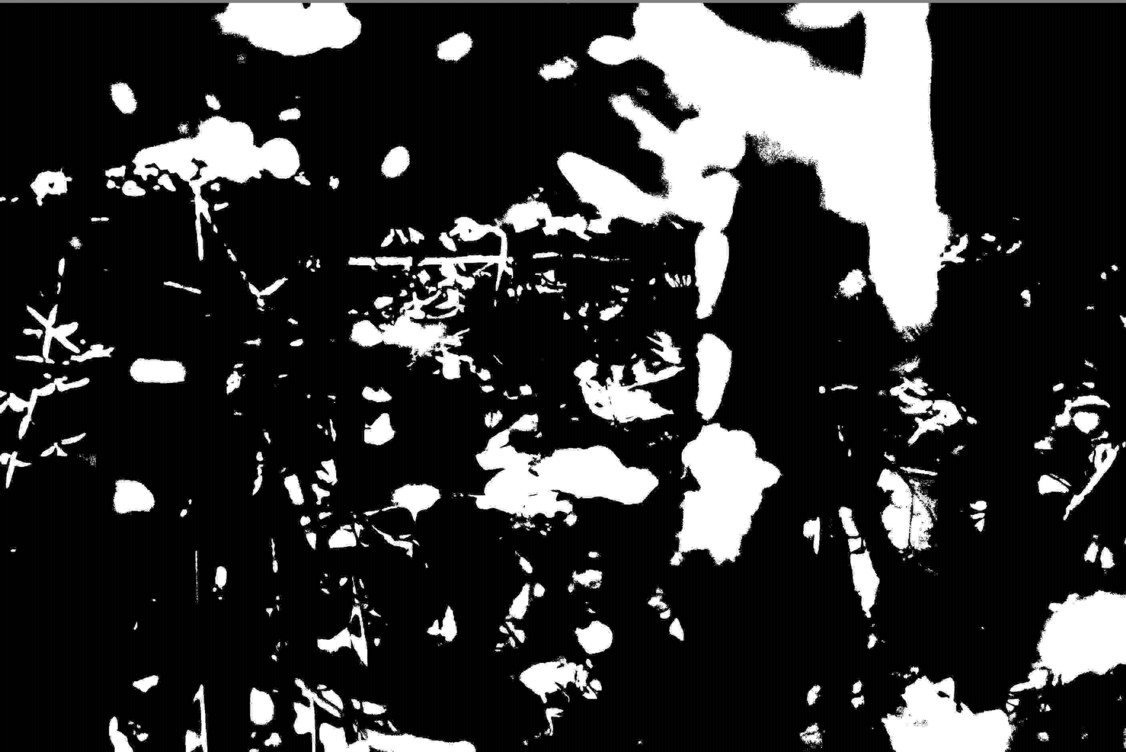
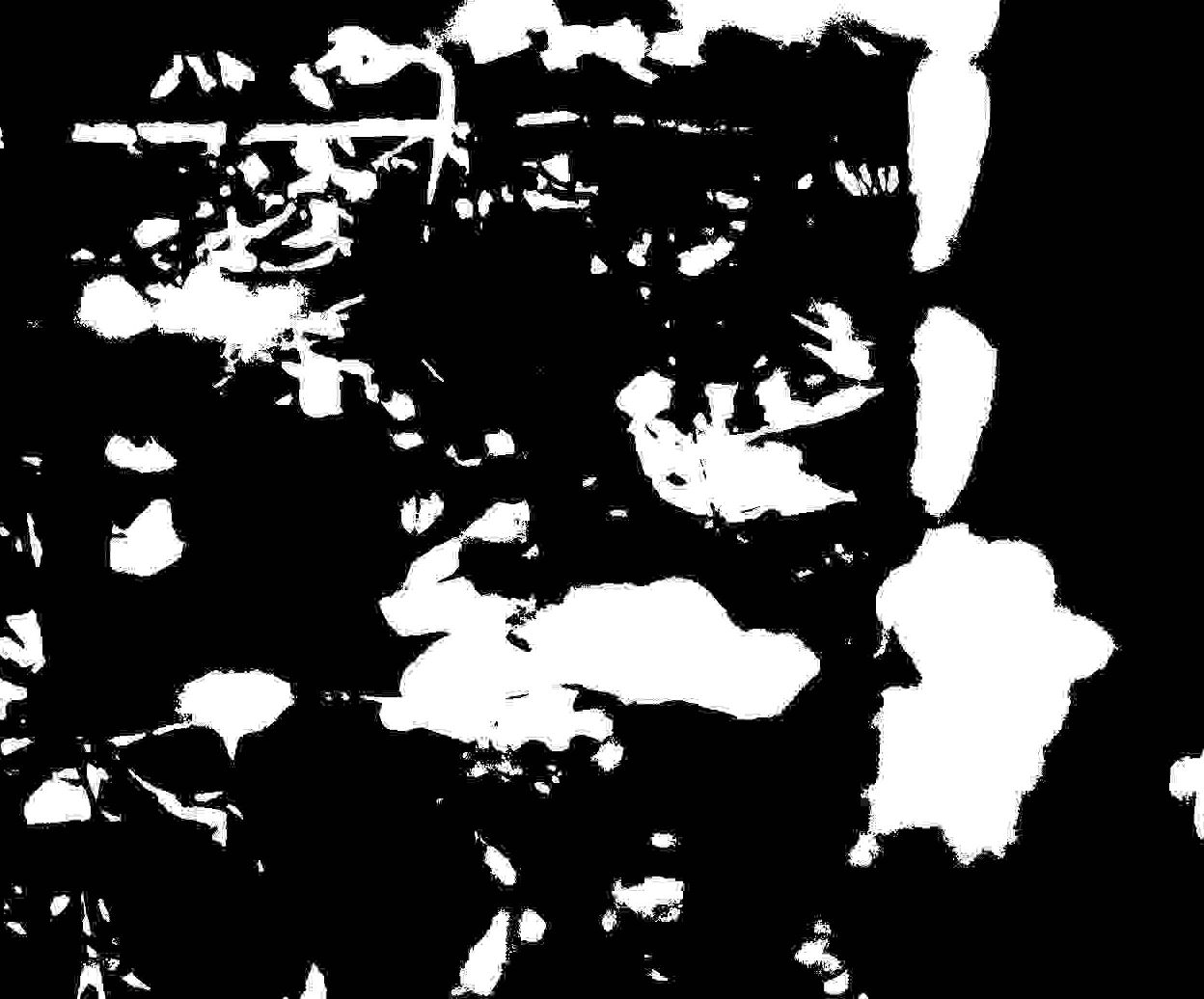
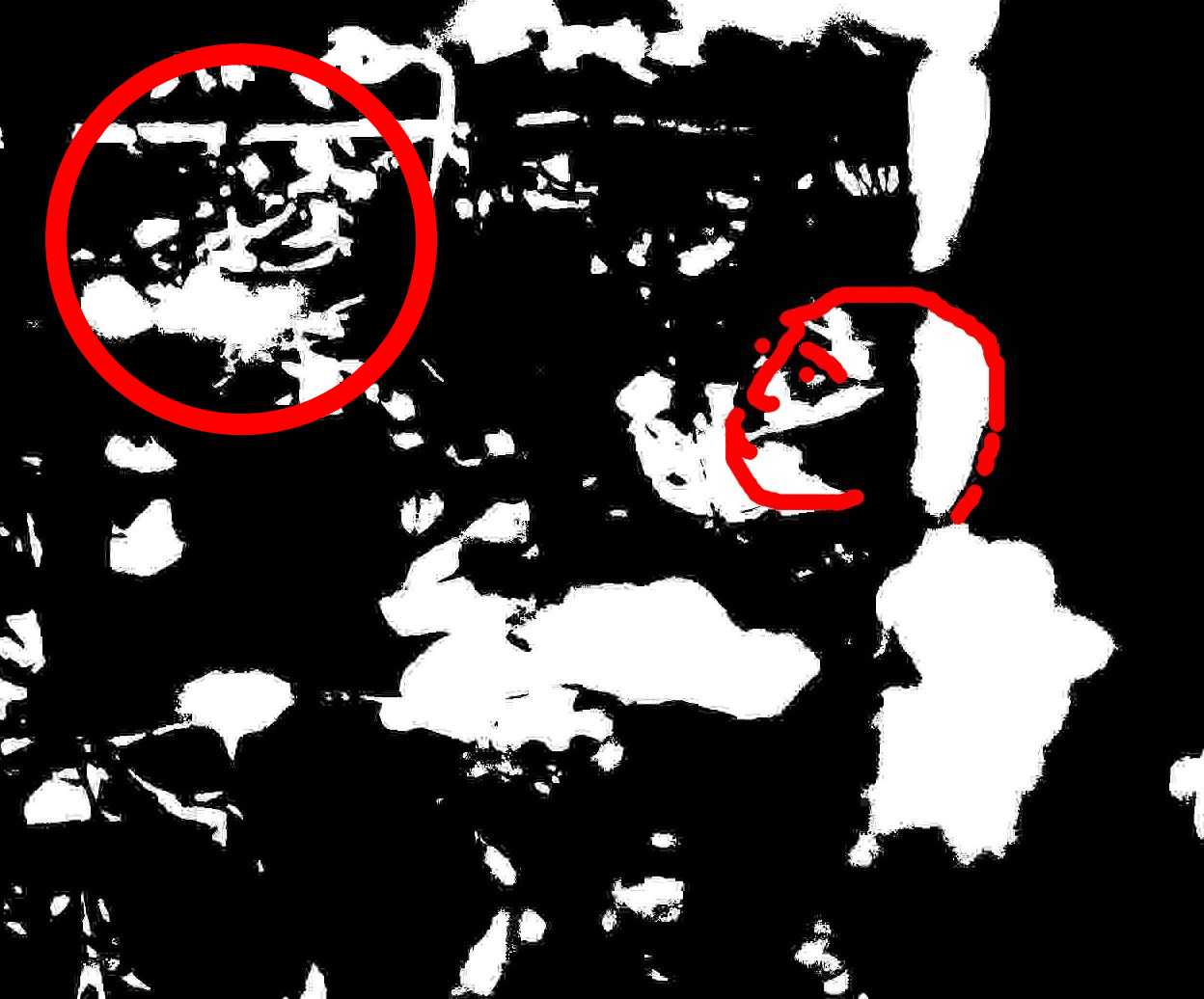
It is seen how this resembles the comparable structure in the lower part of photo #9 - the photo with the black-jacketed man in the lefthand margin:

Εις Λεύκωμα δος Αικατερίνης Τυπάλδου Χαριτάτου
Ήθελα το φτωχό μου καλαμάρι,
αντί μελάνι για να πάρη η Πέννα
λυωτό νάχη για Σε μαργαριτάρι•
κι' αντί για λόγια εδώ καλλωπισμένα
μ' αυτό να γράψω μόνον τ' όνομά σου
συμβολικώς ' με τη σεμνή λαμπράδα
να παρασταίνη την γλυκειά θωριά σου
καθώς και της ψυχής την ωμορφάδα.
In the whiteness of Ekaterina Typaldou Kharitatou
I wanted my meagre authorship
against the black - to make the pen
soluble - the pearl qua Ding-an-sich
to be logically embellished.
But I should have only your name
in the symbols - decent brilliance
shows me your sweet appearance
just like the soul its formlessness.
The GLOSBE greek-english dictionary suggests for 'λυωτό νάχη' the translation 'soluble hull', which perhaps could compare with the author-ship, but I do not understand how 'hull' is recognized. καλαμάρι normally means 'squid'.
This GLOSBE greek-english dictionary tells that the meaning of the name Τυπάλδου Χαριτάτου of the 'cat' in photo #1 is "I'm not sure if I am ready for this" - describing the timid withholdedness/restraint of the cat on the quasi 'wagon' or 'helicopter' in photo #1.


The poem tells that this is the very point - to find the name qua 'symbol' - and the whiteness is the 'decent brilliance' that shows this timid cat. It is the emotional value of this (in photo #1) in how it matches the GLOSBE attempt to translate or render the meaning of the name (Αικατερίνης) Τυπάλδου Χαριτάτου which is a little impressive here: Just a little change in one of the graphic parametres in the thresholding could alter this 'timidity' - which emerges as a more or less non-distinct psychological impression - quite notably. How can you read the timid "I'm not sure if I am ready for this" or (as GLOSBE later suggested) "I'm not sure if I can do this" out of the form 'Τυπάλδου Χαριτάτου'? 'Χ-Τυπ-' means 'to beat' while 'Χαρις' associates with 'grace' and 'lovely' - hence it is possible that the composition of the morphs in this name form could approximate the 'beating heart' of one who is insecure of the situation. Otherwise the expression "I'm not sure if I am ready for this" could be the expression of a subjective consciousness who tries to keep a sensory impression in a framework of 'epoché' for postponing the judgement of what it really is about - while adjusting the psychological or philosophical parametre settings untill the value of the recognizable object allows for its inclusion into a wellknown mythological framework - "ah, it is Nausikaa playing on the shore". These sorts of myths are what modern media are producing in large quantities for controlling the development of the culture. What is this really? Are they playing ball or what is going on? The soul has normally up to max 5 seconds or thereabout when switching to a new TV channel to find out of it - and if it is porn the soul has to decide whether it should participate in the culture or not. After appr. 5 seconds you cannot really watch it any longer under the pretext of 'epoché'.
I translated the last word ωμορφάδα as 'formlessness', based on the idea of αμορφάδα. However, this transcription is in the source apparently taken from Αριστείδη Ρουχωτά: Τα Άπαντα Μικέλη Άβλιχου, Αθήναι 1976. There is also a transcription from the source Μικέλη Άβλιχου - Τα Ποιήματα. Κριτικό σημείωμα Κωστή Παλαμά, [επιμέλεια Χαράλαμπος Λιναρδάτος], Αθήναι 1959 - which uses for the same poem the title Στο λεύκωμα της δεσποινίδος Χαριτάτου and transcribes the final word 'ομορφάδα' - which tells of 'beauty', what is goodlooking. Why this source uses 'δεσποινίδος' (young lady) instead of 'Τυπάλδου' I dont know. It is interesting to observe that 'δεσποίνα' is the word used for 'Our Lady' - such as the one in the revelation of Knock.
Conclusion
There seem to be very good reasons to assume that the poetry of Mikelis Ablikhos relate in some essential and philosophical way to my '23 photos', probably in particular as far as the phenomenon of thresholding is concerned.
It is because my 23 photos - taken on 16 june 2012 - are completely arbitrary that one can assume that Ablikhos had computed them in advance - and one could speculate that the 21 august 1879 revelation of Knock in Ireland (from this source) could have been a part of this 'qubit' complex.
Distance between 2012 and 1879 is 133 years - that is 133 * 0,366 = 48,678 = poem #49 in my PEB - more specifically, it is 0,678 into it - which is about half way into line 10 - the "stainless ring: Library Zhikorsky Mourner". But this is just the helicopter for the timid cat of photo #1 - and it could be the 'stainless ring' (conch shaped) in the centre of photo #9 - seen by the man 'hidden at the corner', in black jacket and white collar. The revelation of Knock seemed to be levitating about half a metre above the ground (source).
Sources:
http://vivl-lixour.kef.sch.gr/?page_id=553&lang=el - the source for the poems of Ablikhos
GLOSBE greek-english dictionary
Kant, I.: Kritik der reinen Vernunft. Reclam 2022.
Kennedy, I.G.: Tizian. Taschen, Köln 2018.
Schmidt, D.: Pablo Picasso. Henschelverlag Kunst und Gesellschaft, Berlin 1976.
© John Bjarne Grover
On the web 18 august 2023