25 july 2026
John Bjarne Grover
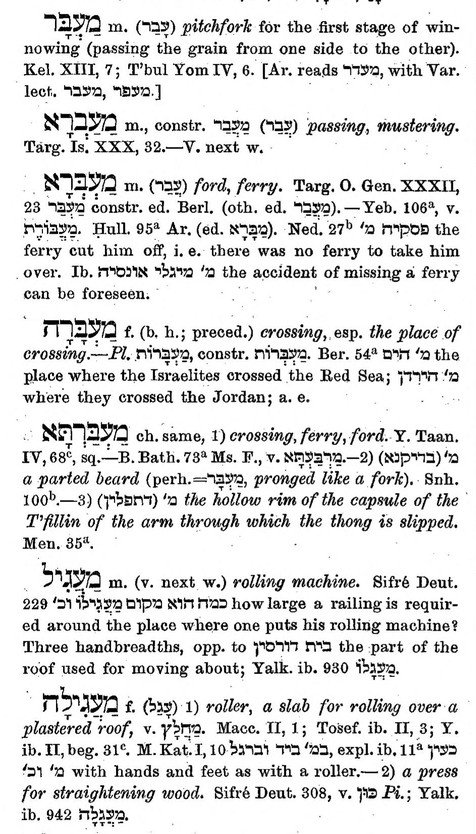
'Ganger Rolf' (also called 'Rollo') was reportedly a viking from the time of Harald Fairhair who collected Norway to one kingdom, according to 'Heimskringla'. I looked up Langenscheidt's Handwörterbuch Deutsch-Hebräisch under 'Gang - zwischen Sitzreihen' the word מַעֲבָּר which I then looked up in Jastrow's dictionary (of talmudic hebrew etc):
(The word appears also in Davidson's dictionary of words from the Old Testament - in the upper righthand part of this page, where it includes a 'montain pass').
The word could be pronounced 'mangabar' or something like that. Here one clearly sees the potential origin of 'Ganger' = מַעְבָּרָה plus מַעֲגִיל = 'rolling machine' = 'Rolf' on one dictionary page. The intermediate word between these is מַעְבַּרְתָּא = 1) crossing, ferry, ford, 2) a parted beard, 3) the hollow rim of the capsule of the T'fillin of the arm through which the thong is slipped.
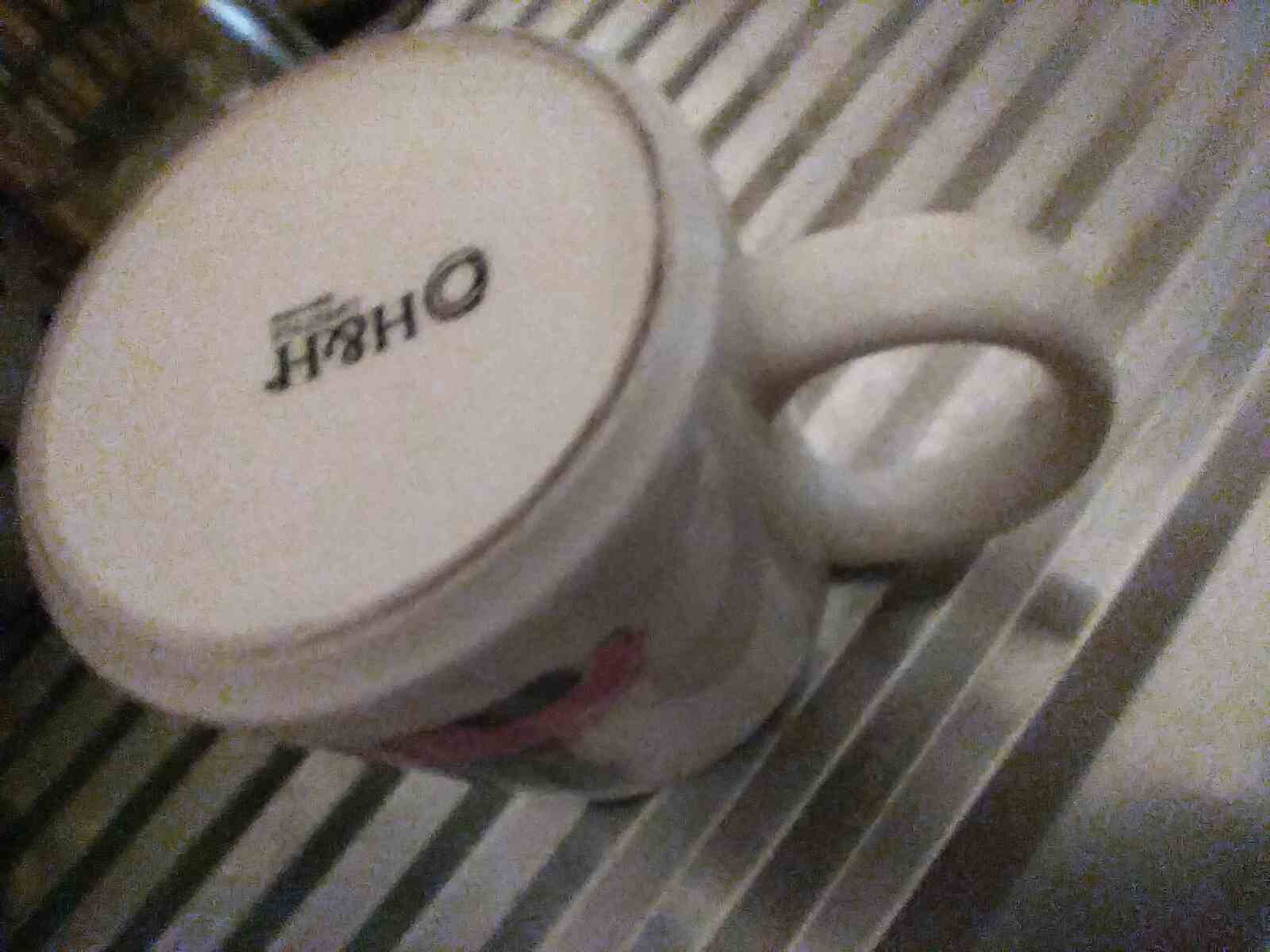
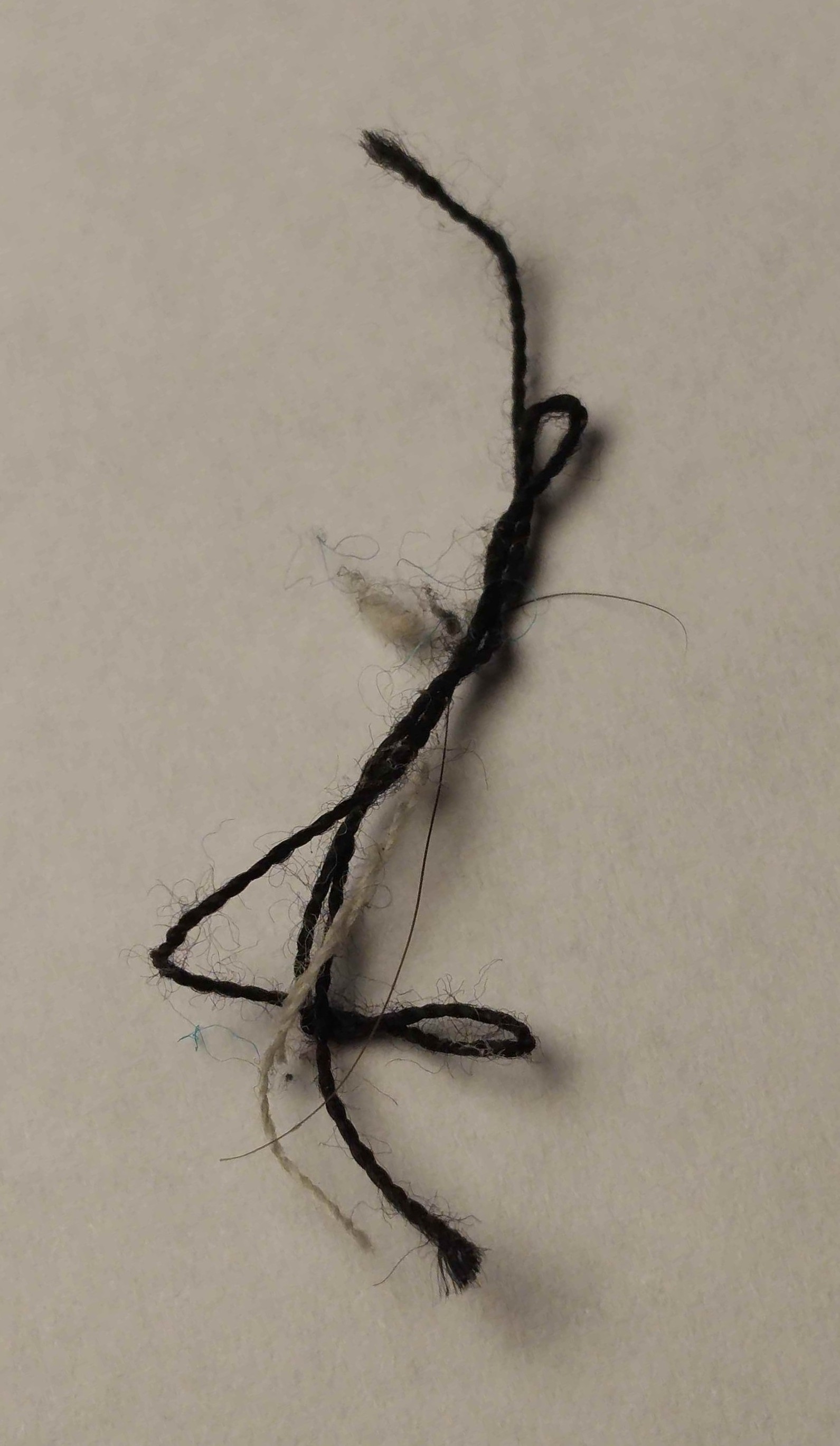
Should I take this as a crushing defeat of my book title 'The Endmorgan Quartet' - qua 'margan was' = 'end margan'? Worse it could have been to see how well many of the female names from the 'octogon' could appear to match this word - on the form 'manganbar' with various permutations. One could think of a royal sceptre being made of 'manganese' (german and norwegian 'mangan'), could be with an additional 'Reichs'-apple. Ah, even the 'Reichs-tags-brann'? Is this why Mr.Grover has chosen this title for his book? I went to bed and when I woke up again an appr. 4 cm long probably ex nihilo formation had take place as a slanting tangent to the top of the rim of a cup left for drying upside down on the kitchenbench - I lifted the object off the cup before I understood what it was:
I notice 'The Endmorgan Quartet' poem #214:
Can I help you?
Were somebody else, or indeed
I heard somebody of
brilliant Marie Curls.
She has tape.
We have mange season at the country,
the high road I've been,
but
Ann Grove (nine)
the use/house is speil-egg.
Unfortunately,
she came in her door,
came in from the east,
play Stothard and [came from the feast].
This is Tallinn.
The greek parallel text could be translated: "You say: that I am/exist". However, in the Bible the unaccented (enclitic) form is used and then it tends to mean 'I am' - if it be accented such as in the citation form εἰμί then it normally means 'I exist'. An alternative accent is the form
εἶμι = 'to go, to walk' - then it means 'you say: that I walk'.
Speil-egg = fried egg
Speil = mirror
See also the manuscript (starting at the end of may).
© John Bjarne Grover
On the web 25 july 2026